
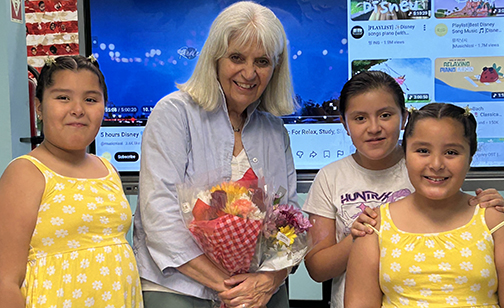
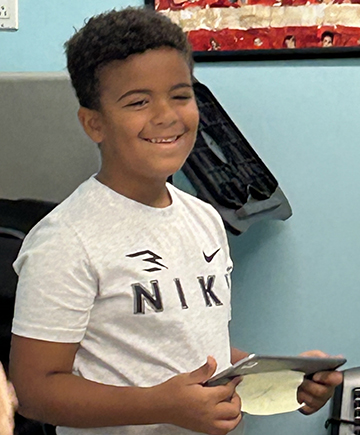
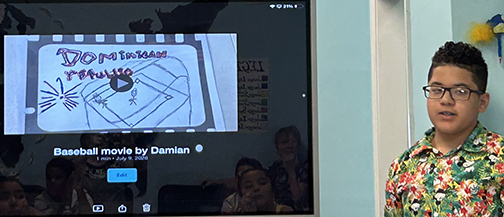
 Cabrini Immigrant Services-Dobbs Ferry (CIS-DF) offered a Sharing Stories! Making Movies! Summer Program. Children in Grades 3-7 attended the 3-week program. In addition to helping the students with reading and writing skills, the program helps children expand their imagination and creativity.
Parents and siblings were invited to our ‘Movie Premiere’ on the last day of the program. Each child stood up, welcomed everyone and then explained the story that they had written and then filmed. The movies were shown on a ‘large screen’ (Smart Board). After showing their movie, the children answered questions from the audience about their films. Some of the film titles were: Snowy the Penguin, My Friend Ishi, All About Helen Keller and Panky's Pool Day.
The celebration ended with pizza and punch. What a great way to end the program!
A special thank you to our teacher, Anne Marie Santoro, who goes above and beyond to help our students learn and succeed
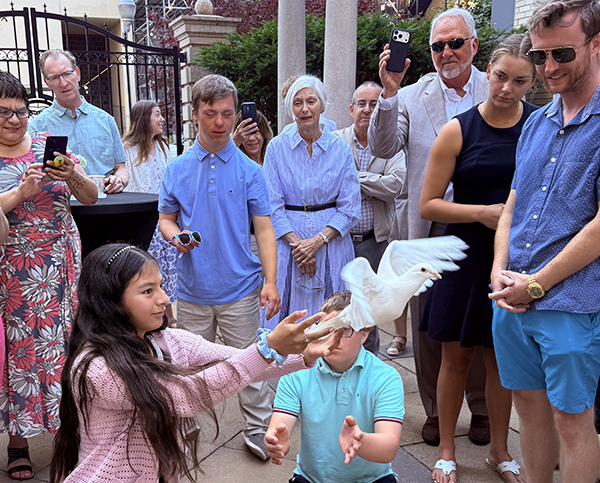 At the National Shrine of St. Frances Xavier Cabrini in Chicago, we had a variety of ways in which to celebrate the 80th Anniversary of the Canonization and the birthday of Mother Cabrini.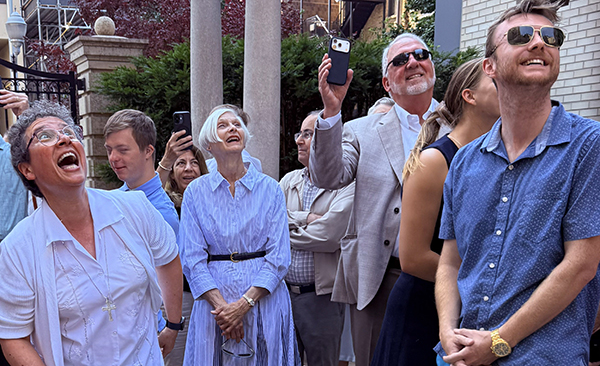
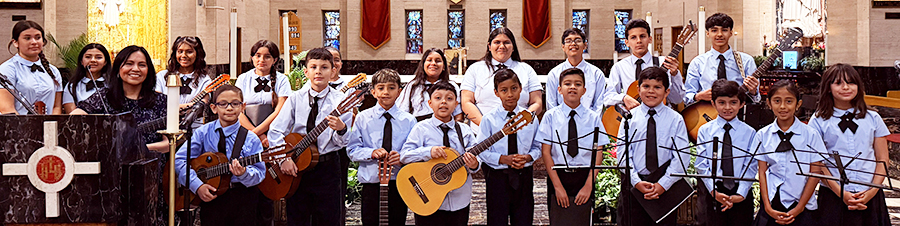
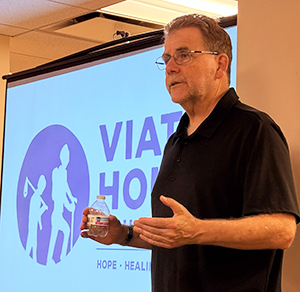
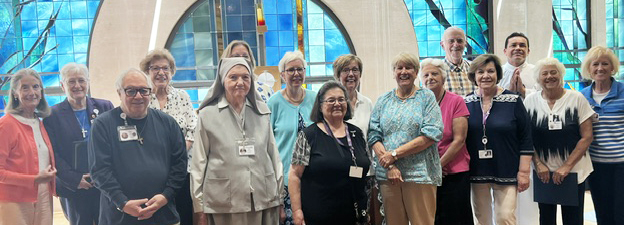 Each year, the volunteers seem to look forward to this opportunity to gather together, pray together, and renew their commitment to Cabrini and to our residents. We have a wonderful group of volunteers who are so generous with their time and the positive impact they have on the lives of our residents and Cabrini at large is profound indeed.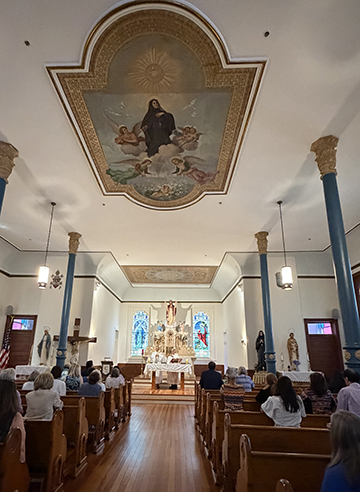
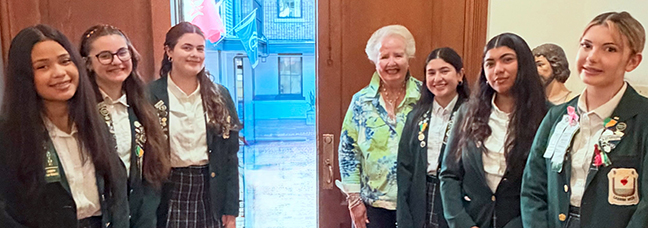
 On July 7, the Cabrini High School community gathered in the historic Sacred Heart Chapel to commemorate the 80th Anniversary of the Canonization of St. Frances Xavier Cabrini. The celebration was especially meaningful as Mass was celebrated in the chapel on campus where Mother Cabrini spent hours in prayer while expanding her mission in New Orleans and beyond. Praying in the very place where she once worshipped offered alumnae, students, and friends a profound opportunity to reflect on the enduring legacy of Mother Cabrini, whose faith, courage, and example of leadership continue to shape the Cabrinian mission in New Orleans today.
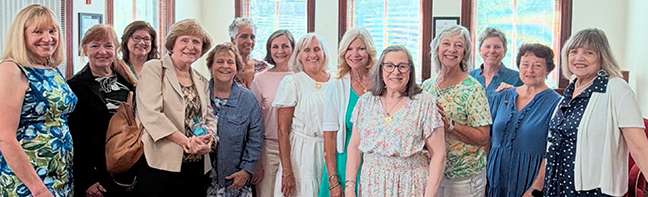
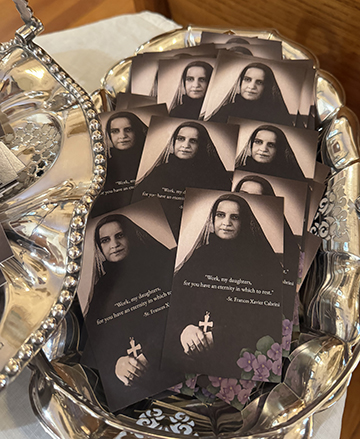
 Asking ‘what would Mother Cabrini do during these uncertain and perilous times for immigrants and migrants?’, the CAVS Alumni Association, in collaboration with the Guadalupe Province Immigration Commission, hosted a birthday party for Mother Cabrini at the Cabrini Cottage in Wayne, PA, for members of the Cabrini University and Villanova University communities.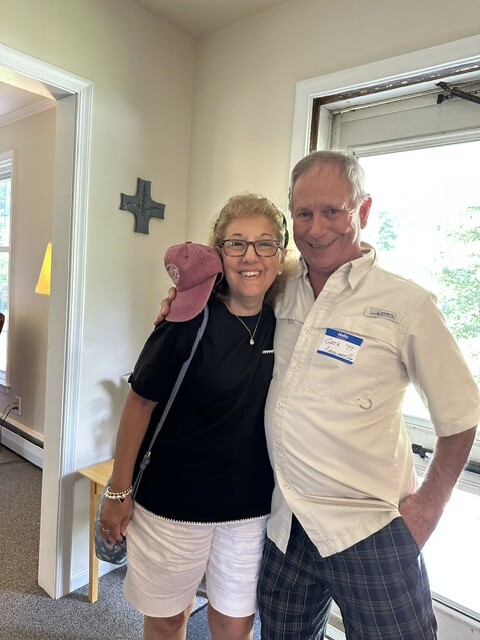
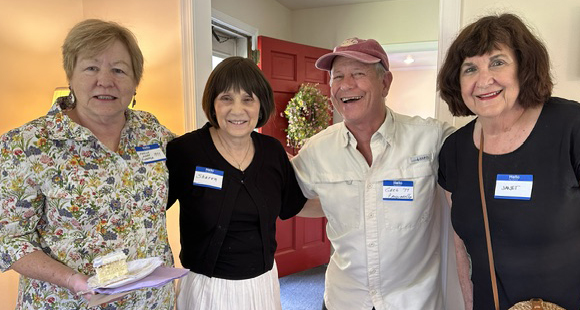
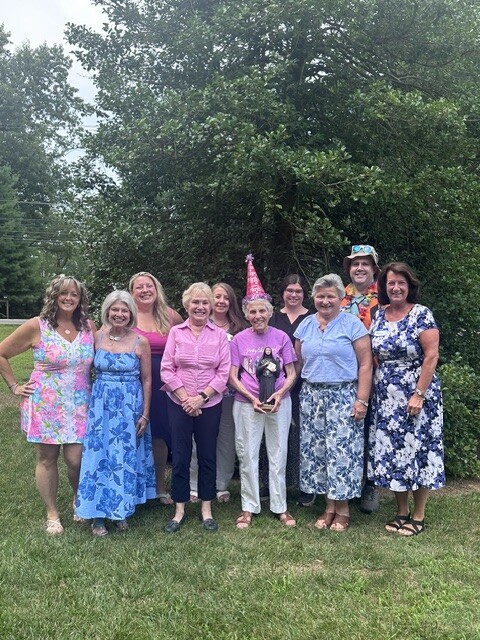 Deepest thanks to all who joined in celebrating Mother Cabrini in such a meaningful and impactful way. Once again, this year, we have been overwhelmed by the outpouring of generosity of the Cabrini and Villanova communities.
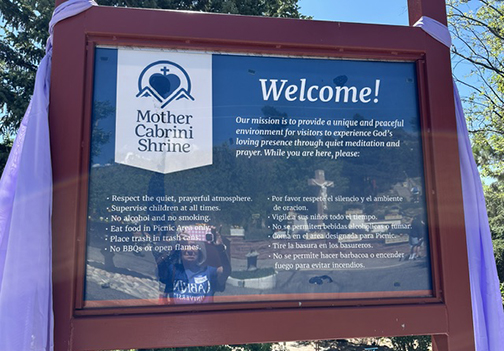 Thus, it was here, at the Mother Cabrini Shrine, nestled in Golden, at the foothills of the Rockies, that Cabrini University alums embarked upon a pilgrimage. It was the first time that such a trip had been organized by the CAVS Alumni Association, and we were delighted that ten alums - spanning many years of graduation - embarked on travels to Colorado to walk in the footsteps of Mother Cabrini.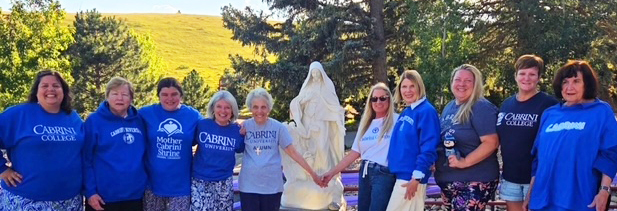
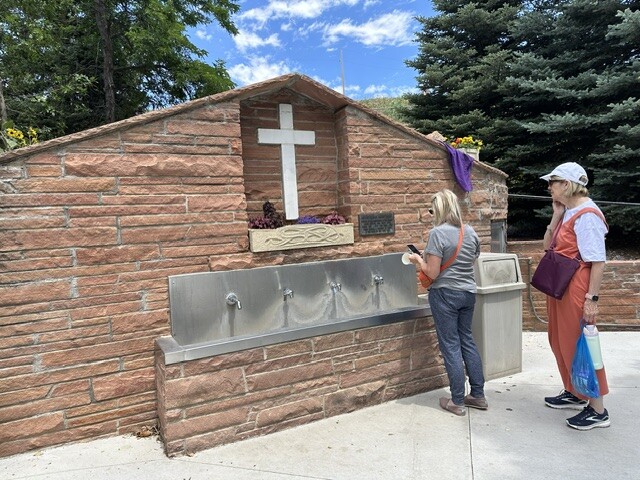
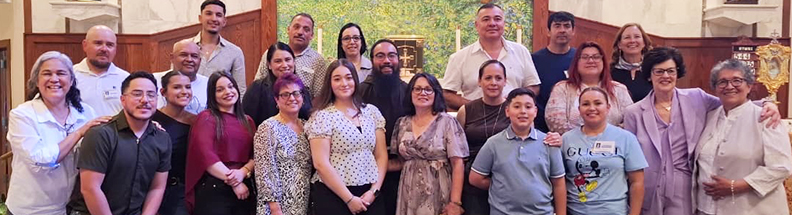
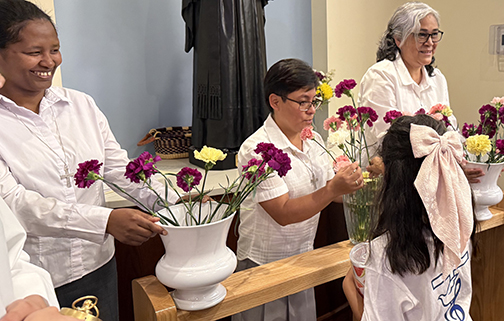
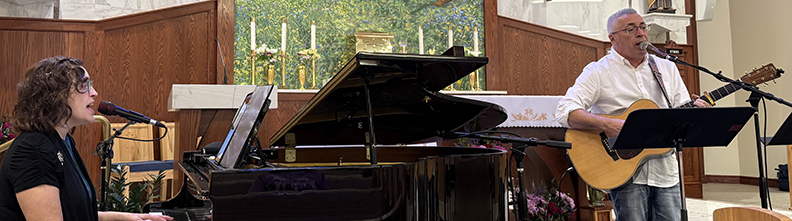 Mother Cabrini Shrine was filled with joy as we celebrated the 80th anniversary of St. Frances Xavier Cabrini's canonization. We were especially delighted to welcome members of the Cabrini University alumni community, who spent the weekend on pilgrimage, retracing Mother Cabrini's footsteps and deepening the bond we share in her mission.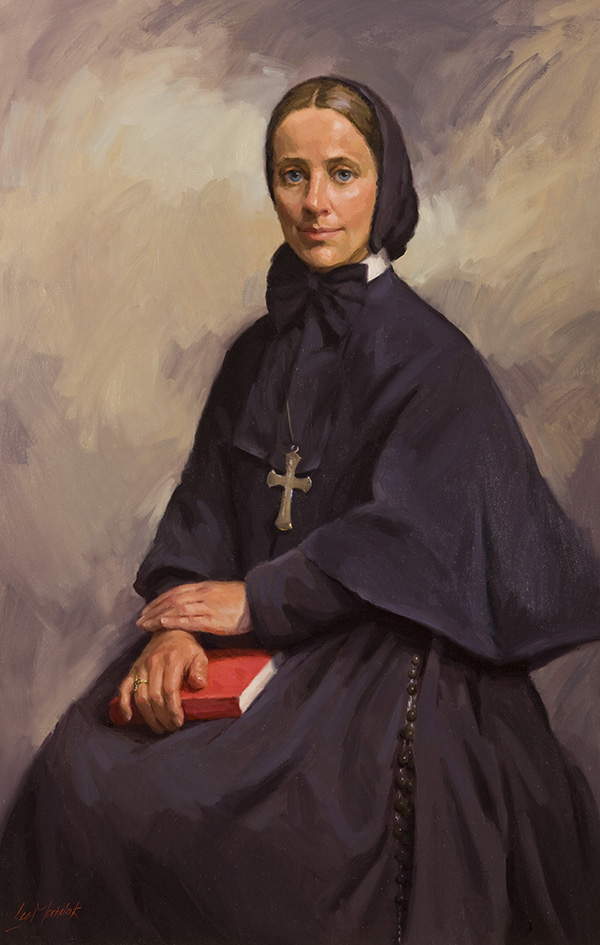
 Finally, I pray to the Lord for the Missionary Sisters of the Sacred Heart of Jesus in all their communities: May God bless them and renew them in their fidelity to Mother Cabrini’s charism.” ~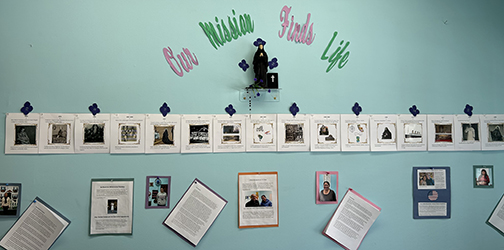
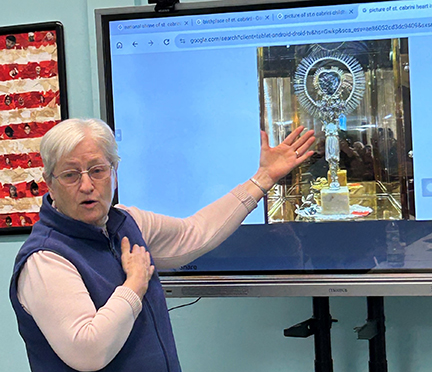
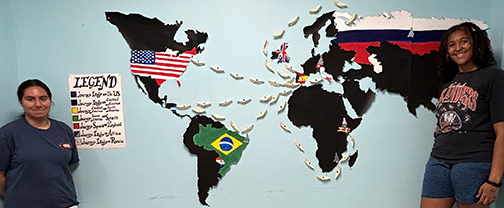
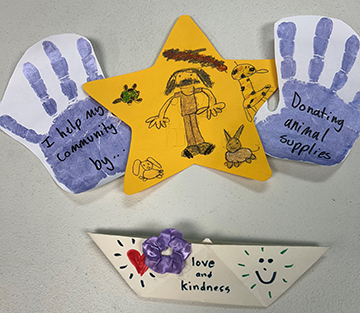
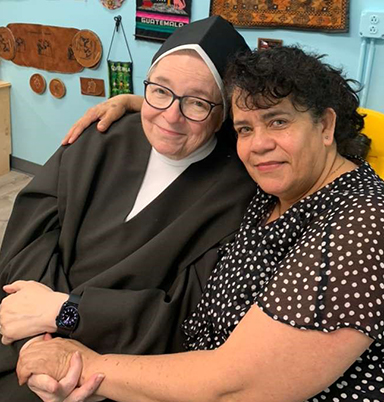
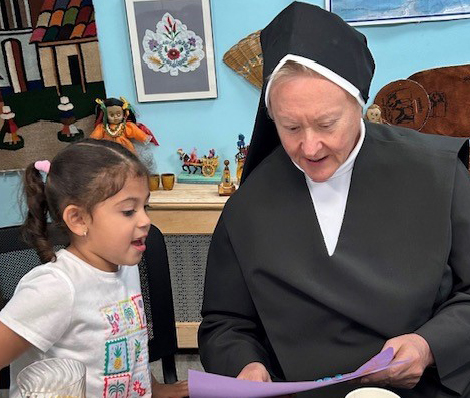 In addition to showing the movie, CABRINI, we had Sr. Bridget Zanin, MSC speak to our clients about the life of St. Cabrini. Several of our clients have created their own timelines using their personal stories and have shown how they are part of the Cabrini Mission. We had a recent visit with some Carmelite Sisters, as well. Our clients shared with them their personal stories and explained how they, too, are part of the Cabrini mission. ~ submitted by Lorraine Campanelli, Director, CIS-DF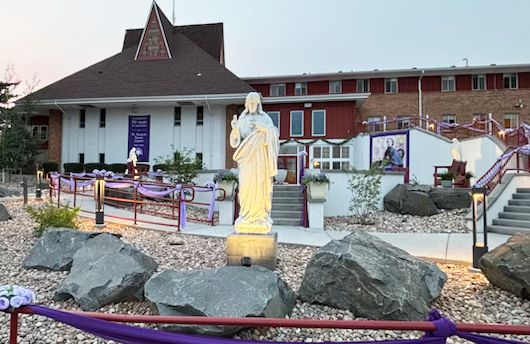
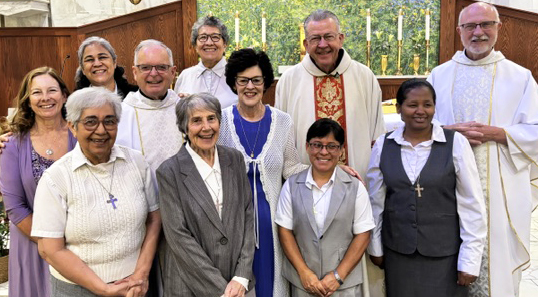 On Tuesday morning, we joyfully began our weeklong celebration of the 80th Anniversary of the canonization of St. Frances Xavier Cabrini with a beautiful Mass celebrated alongside the Missionary Sisters of the Sacred Heart of Jesus, our staff, volunteers, and members of the Mother Cabrini Shrine community.