
 The return to campus for Cabrini University alumni during the September 11–12, 2026 Alumni Weekend marked an emotional, full-circle moment for the Cavalier community. Following Cabrini’s closure and acquisition by Villanova University, the Radnor campus underwent extensive renovations over a two-year period.
Following a formal campus dedication ceremony by the Villanova University community on Thursday, September 10th, this past weekend served as the official welcome back for Cabrini alums. An estimated 400 graduates returned to visit their alma mater.
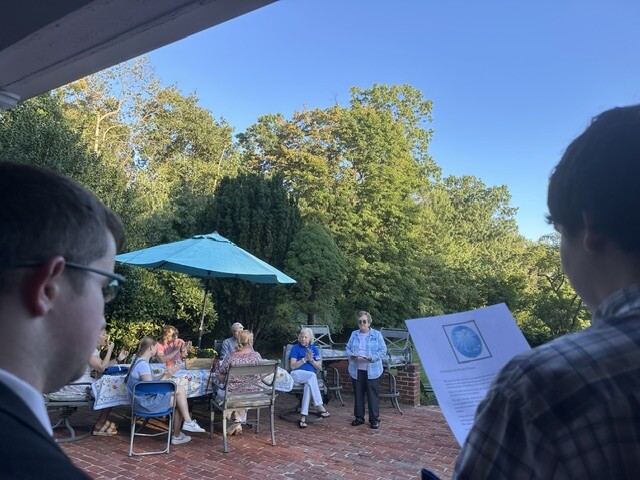
The weekend’s festivities kicked off on Friday evening with a welcome event hosted by Missionary Sisters at their residence on campus.
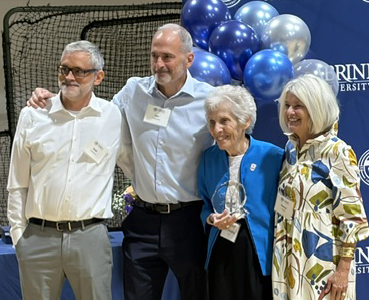
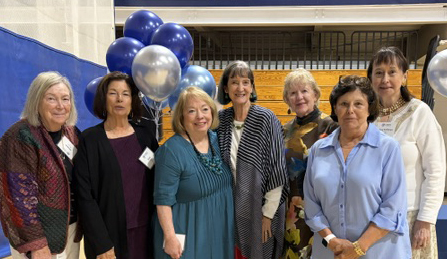
Saturday’s events included the traditional Alumni Awards luncheon recognizing distinguished graduates and milestone reunion classes, tours of the newly renovated campus, Mass in the campus chapel – now renamed the Sacred Heart Chapel – and the Blue and White Bash, a dinner and dancing wrap-up to the weekend.
Alums enjoyed walking familiar paths, taking in the sparkling campus building renovations, and reliving wonderful memories. It was a bittersweet and nostalgic time for all. Many expressed gratitude to the Villanova community for their deep respect for Mother Cabrini and for continuing the Cabrinian legacy and Mother Cabrini’s “education of the heart.”
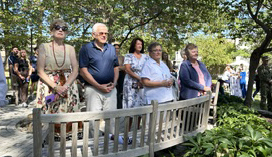
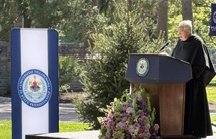
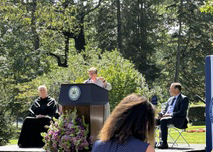
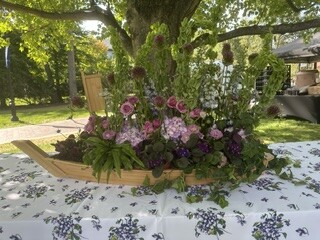 On the afternoon of September 10th, the Villanova University community held the formal dedication ceremony for its 112-acre Cabrini Campus following a two-year revitalization program.
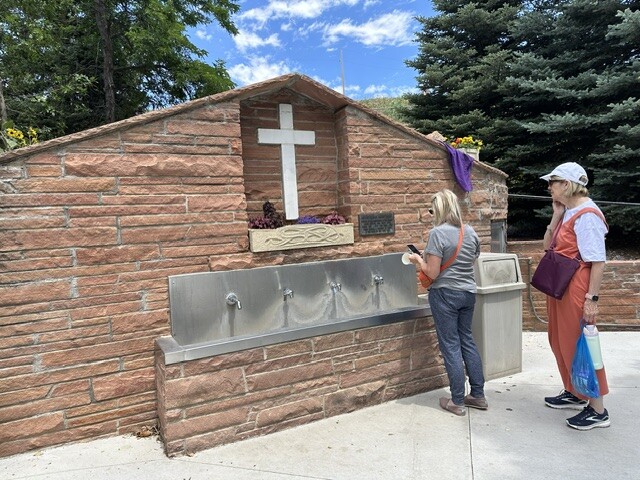
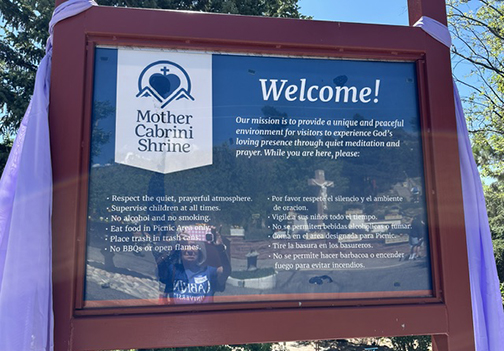 Thus, it was here, at the Mother Cabrini Shrine, nestled in Golden, at the foothills of the Rockies, that Cabrini University alums embarked upon a pilgrimage. It was the first time that such a trip had been organized by the CAVS Alumni Association, and we were delighted that ten alums – spanning many years of graduation – embarked on travels to Colorado to walk in the footsteps of Mother Cabrini.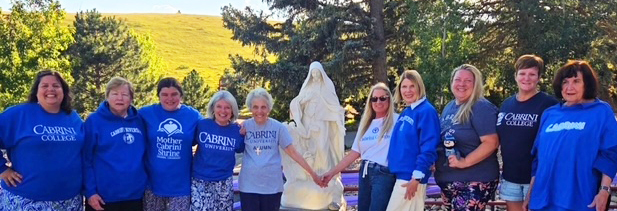
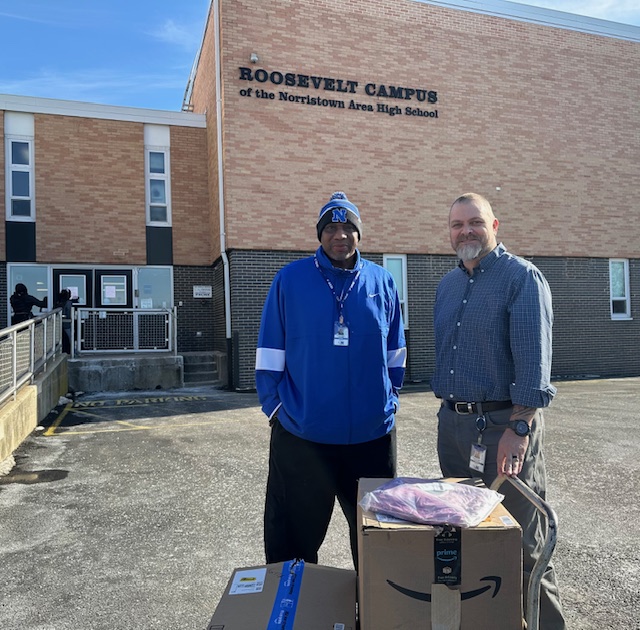 Cabrini University alumni and friends, in collaboration with the MSC Cabrini Immigration Commission, rallied before Christmas to donate winter clothing essentials – hats, gloves, scarves – for children in need in our partner school districts in Southeast Pennsylvania. These items were delivered just in the nick of time before Christmas to bring smiles and warmth.
 The Cabrini University (CAVS) Social Justice Ambassadors, under the leadership of Dr. Jerry Zurek, former Chair of the Communications Department, welcomed former Cabrini University faculty member Vonya Womack to speak on refugees and the power of story and community as tools of seeking justice and freedom.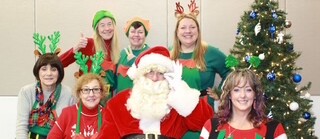
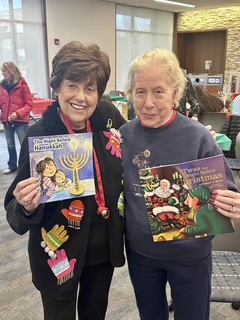
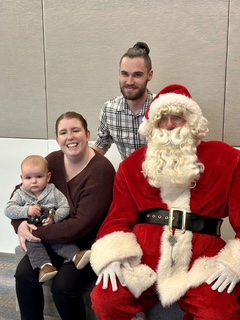
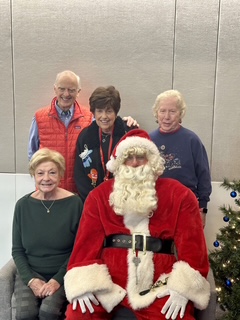
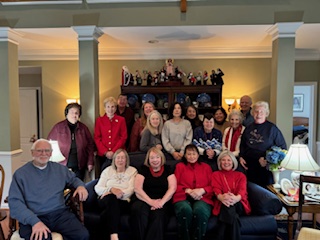
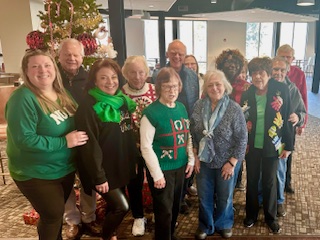
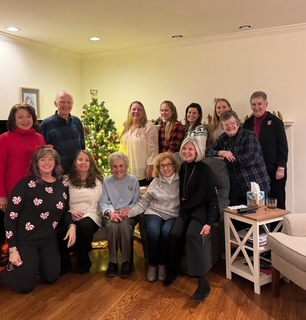
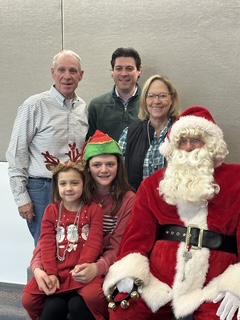
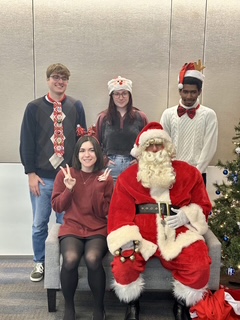 Missing their beloved Radnor campus, the Cabrini University community members take every opportunity to gather whenever and wherever they can…especially to celebrate the good cheer of Christmas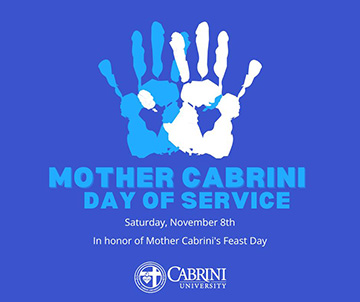
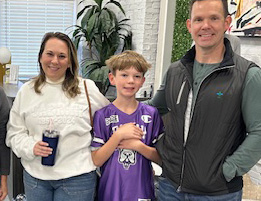
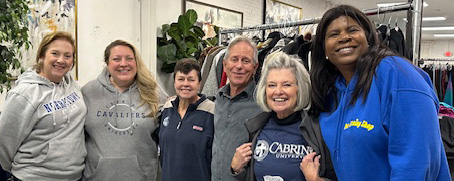
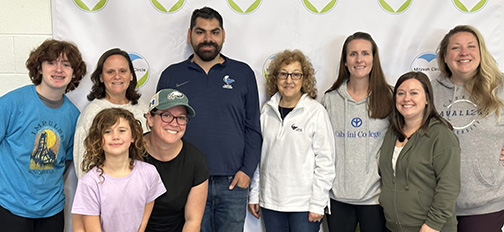
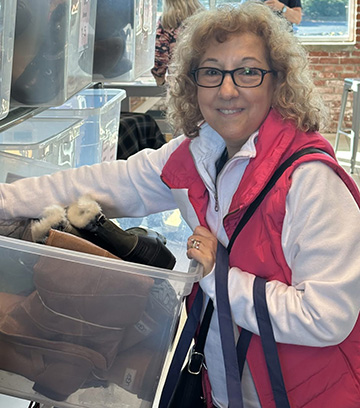
 The Cabrini University CAVS held their first annual Day of Service on Saturday, November 8th in honor of Mother Cabrini’s Feast Day on November 13th.
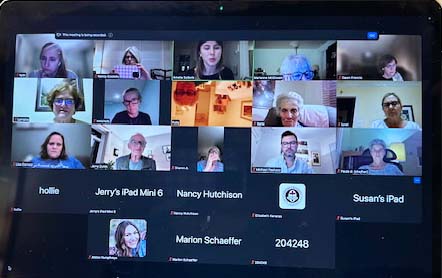 The Cabrini Social Justice Ambassadors of the Cabrini University CAVS (Cabrini Alumni, Volunteers and Supporters) under the direction of Dr. Jerry Zurek, former Chair of the Communications Department, hosted a Zoom with Cabrini Immigrant Services (CIS) leaders Lorraine Campanelli, Director of Cabrini Immigrant Services, Dobbs Ferry, NY and Amelia Scdoris, Justice for Immigrants Coordinator, at Cabrini Immigrant Services-NYC.