
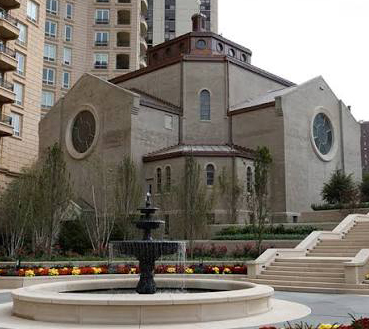
Yesterday, on the 80th anniversary of Mother Cabrini’s canonization, the National Shrine of St. Frances Xavier Cabrini in Chicago premiered their new video filled with testimonials of Mother's impact here in Chicago and around the world.
To view the video, please click here
 We share excerpts from her letter.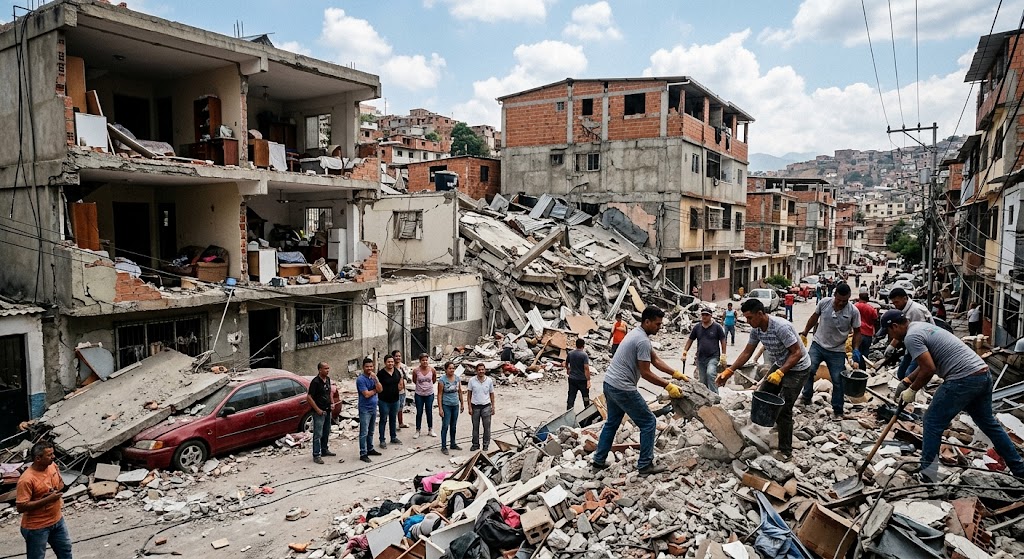
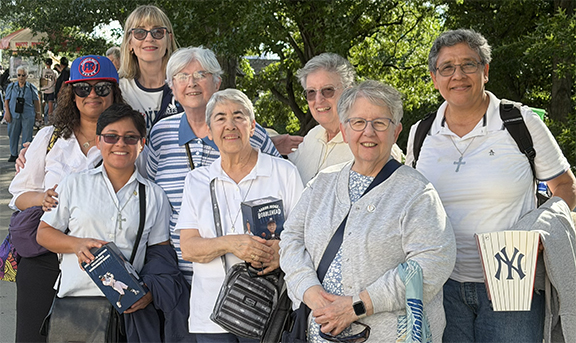 There’s something special about baseball that can bring people together. On June 20, the Cabrini Mission Foundation hosted its annual Let’s Play Ball fundraiser, held this year for the first time in the Bronx at Yankees Stadium.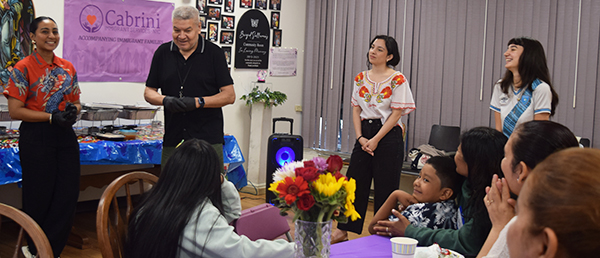
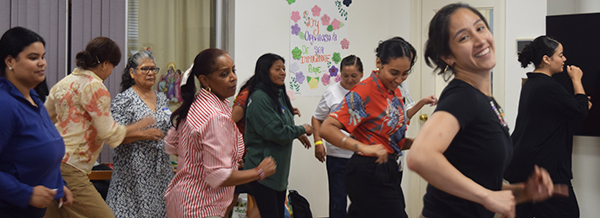
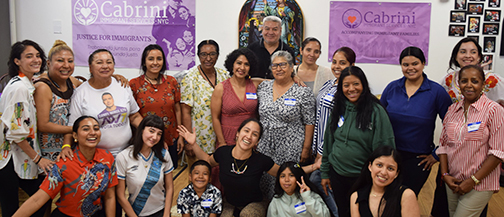 In celebration of Immigrant Heritage Month, Cabrini Immigrant Services of NYC (CIS-NYC) welcomed 20 participants for a wonderful community potluck. Clients brought traditional dishes from their home countries, giving everyone the opportunity to share and enjoy a variety of cultural foods.
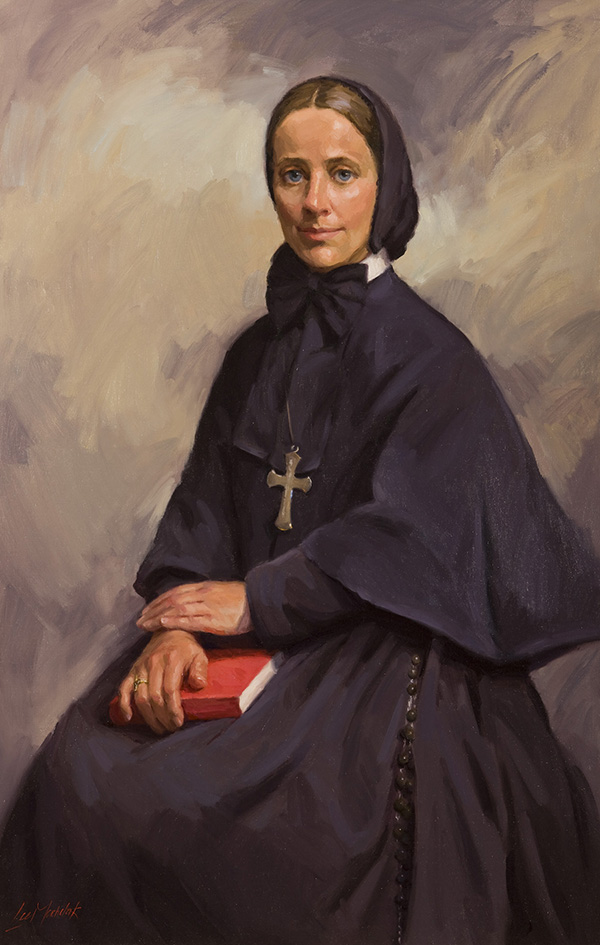
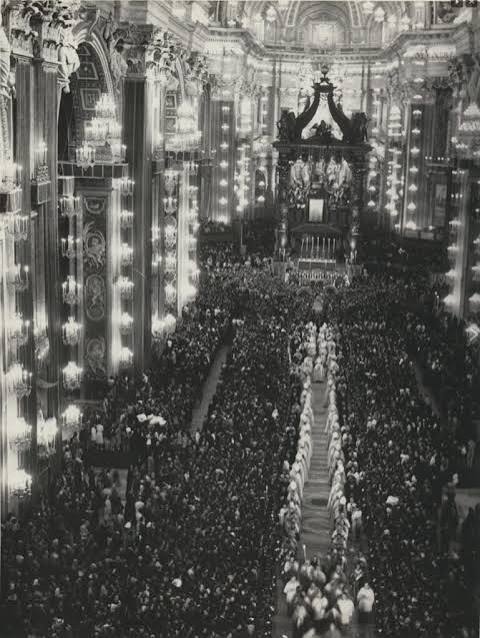 On July 7, 2026, the global Institute of the Missionary Sisters of the Sacred Heart of Jesus will observe and celebrate the 80th anniversary of the canonization of St. Frances Xavier Cabrini. Canonized by Pope Pius XII on July 7, 1946, Mother Cabrini made history as the very first United States citizen to be elevated to sainthood. Coming just after the devastation of World War II, her canonization was a powerful symbol of global healing, shining a light on her lifetime of fierce dedication to the poor, orphans, and displaced peoples.
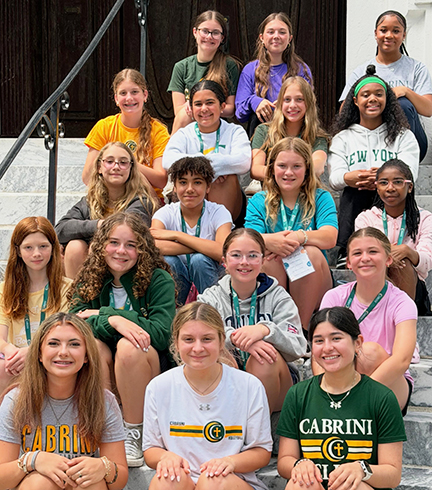 Inspired by Saint Frances Xavier Cabrini, a trailblazer whose faith, determination, and commitment to serving others changed lives around the world, Cabrini High School's inaugural Leadership Academy empowered rising seventh-grade girls to discover their own potential as leaders. Held June 1–5 on Cabrini's campus, the weeklong experience reflected the school's commitment to leadership, encouraging young women to lead with conviction, compassion, and confidence.
 What made the Academy especially remarkable was that, while Cabrini faculty and staff provided guidance and oversight, the program was entirely planned and led by Cabrini students. Student leaders who excel in academics, athletics, clubs, and service designed and facilitated every presentation, small-group discussion, and activity, creating a powerful celebration of young female leadership in action.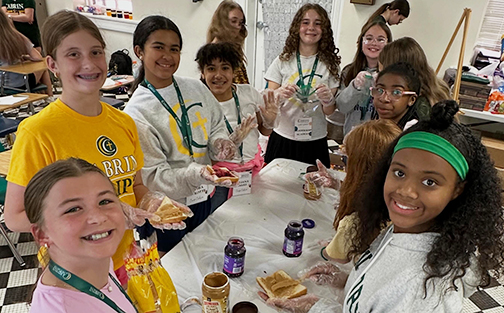
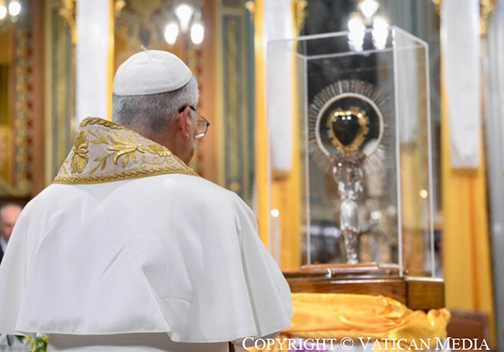
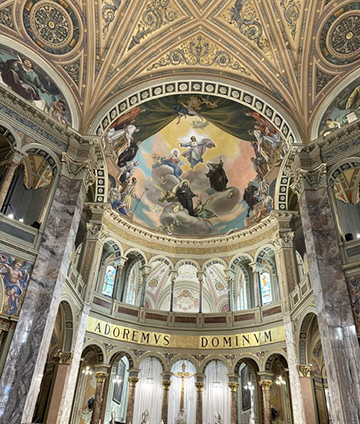 “I am here to pay homage to Mother Cabrini,” the Pope told all those gathered in the church for his visit. Pope Leo praised Mother Cabrini as a model for Christians today, especially for her compassion toward migrants and those on the margins of society. He encouraged young people to learn about her life and writings, highlighting her courage, trust in God, and dedication to serving those in need.
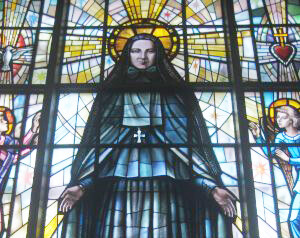 On this coming Saturday, June 20th, Pope Leo XIV plans to visit the northern Italian village of Sant’Angelo Lodigiano, where he will venerate a saint close to his heart and ours: Mother Frances Cabrini, who was born there in 1850 and died in 1917 in Chicago, the pope’s hometown.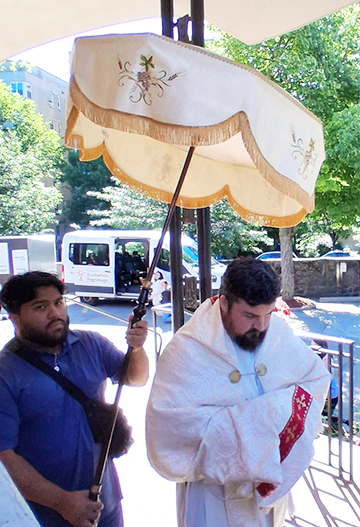
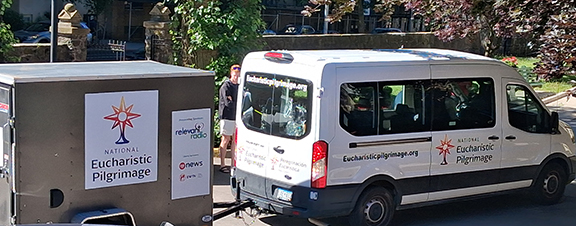 The perpetual pilgrims of the St. Frances Cabrini route of the National Eucharistic Pilgrimage arrived bright and early on Tuesday, June 16 for a day of rest and reflection.