
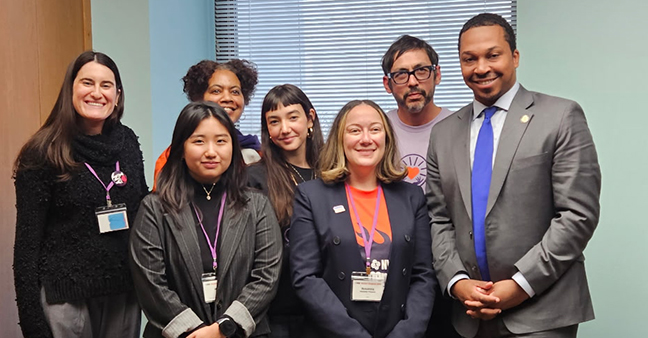
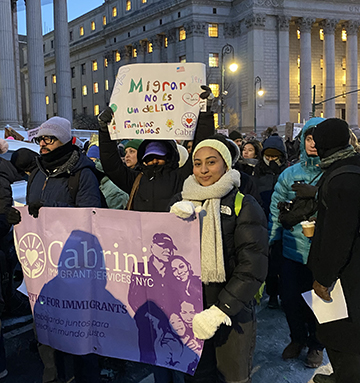
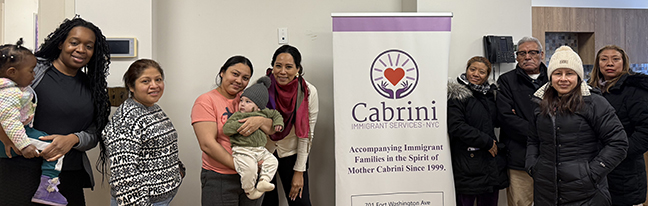
 At Cabrini Immigrant Services of NYC, our staff, through the program Justice for Immigrants (JFI), has participated in a number of mobilizations in the city and in our state’s capital to show our support for protecting immigrant rights!
We joined the New York Immigration Coalition’s Annual Member Congress in Albany, lobbying our assembly members for the New York for All Act, which would prohibit state and local collusion with federal immigration enforcement; as well as the Access to Representation Act, which would establish a right to universal representation, meaning anyone at risk of deportation who cannot afford a lawyer will be provided one; and finally, demanding that the budget for immigration legal services be increased to at least $175 million.
We also paid our respects at the vigil for Alex Pretti, who was murdered by ICE officers in Minnesota, as well as attended the ICE Out of NYC rally on the designated nationwide shutdown against ICE.
At our office on Friday, January 30th, our Social Services team hosted a Nutrition Workshop for clients, where they learned how to incorporate more vegetables and fruits into their meals. The participants also completed ten minutes of exercise and prepared a healthy recipe—a salad. We hope to continue our work serving the immigrant community whether it be in our office, in the state capital, or in the streets!
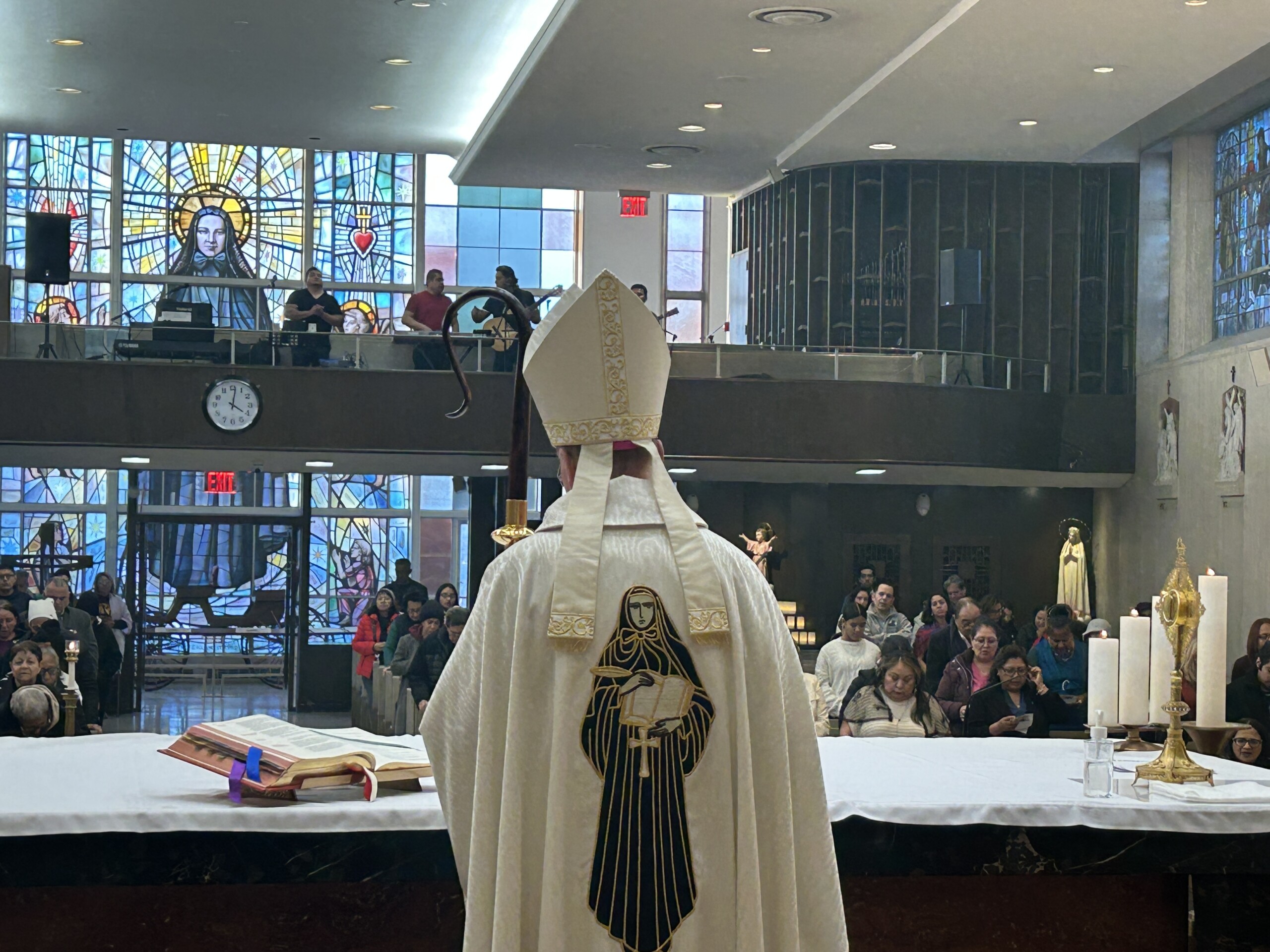
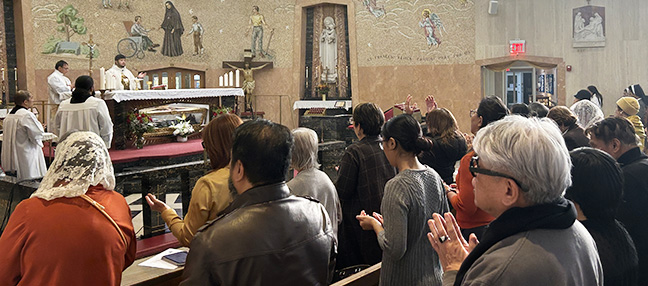
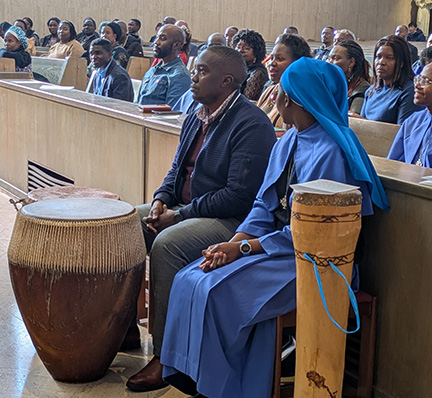
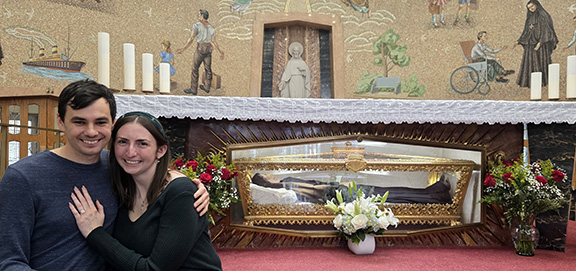 What a week! St. Frances Cabrini Shrine in New York hosted seven Feast celebrations over four days.
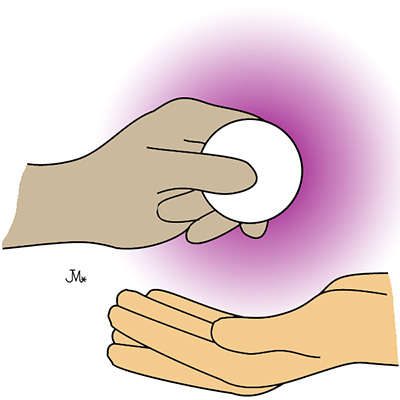 recent days in the Chicago area, specifically, at the Broadview Processing Center, for the second time in three weeks, ICE agents barred a group of clergy, religious sisters, and lay people from entering the facility to offer Holy Communion to migrants being detained there.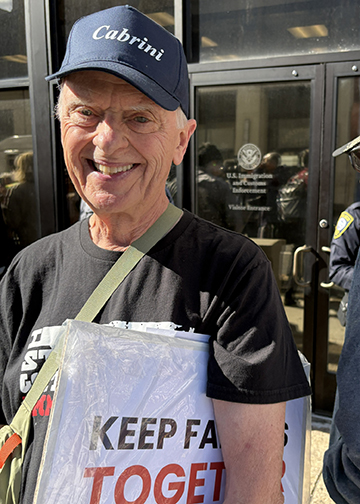
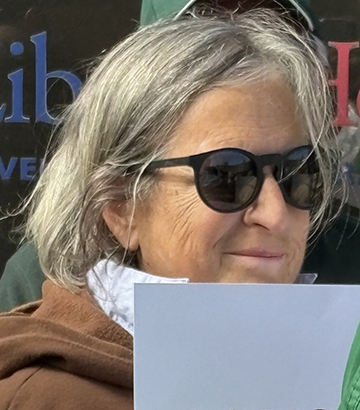
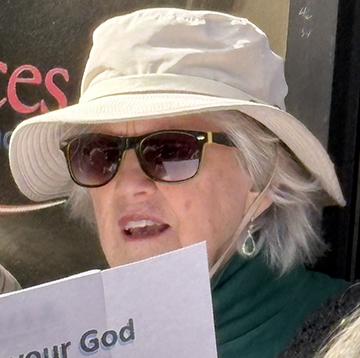 ~ a reflection by Jerry Zurek, PhD, former Chair, Communications Department, Cabrini University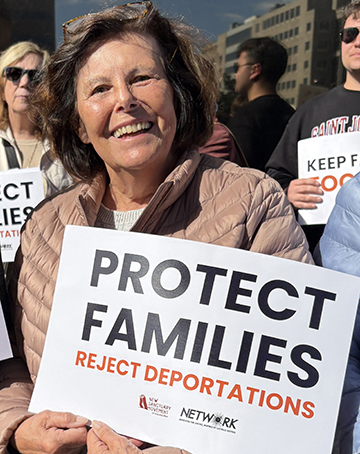
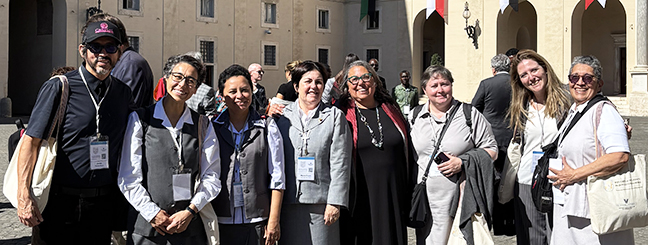
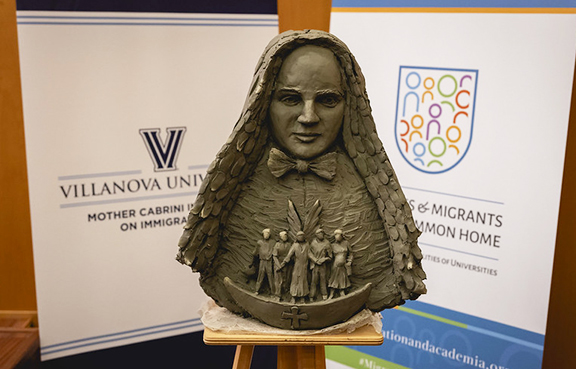
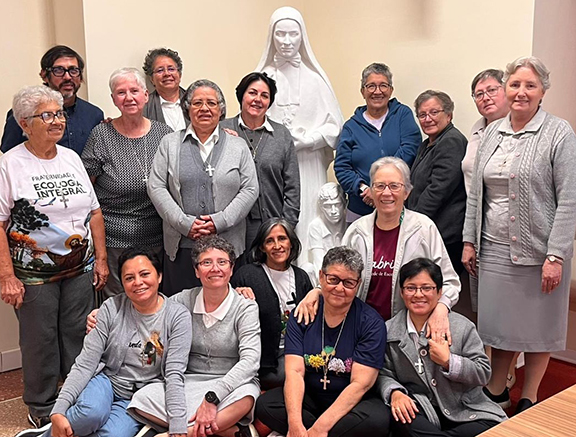 From October 1 to 3, Villanova University, through the Mother Cabrini Institute on Immigration, and the Refugees and Migrants in Our Common Home project, held three days of conferences and working groups at the Patristic Institute Augustinianum in Rome, with the aim of “shaping the first drafts of action plans that will guide our collective response to migration in higher education and beyond.”
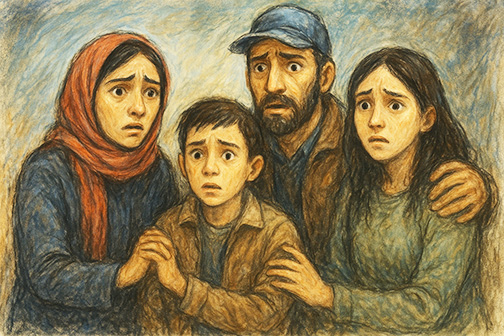 least one Franciscan sister, gathered on October 9 to hear a range of legal experts, historians and journalists speak. Panelists painted a picture of migrants consumed by fear and a legal community seeking to defend them, but lacking the resources to do so.
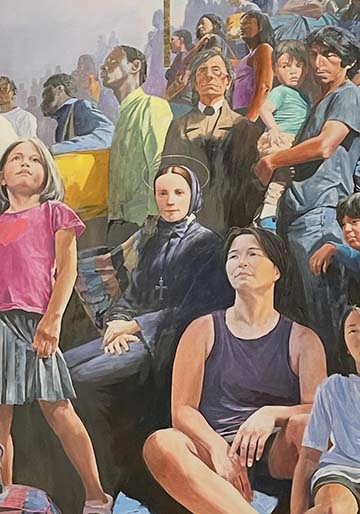 The mural, created by Adam Cvijanovic, pays tribute to generations of immigrants who came to New York in search of faith and hope. It is the first major work of art commissioned for the Cathedral since the installation of its bronze doors in 1949. The mural prominently features Mother Cabrini among the immigrants. To watch a video from the Good News Room about the creation and dedication of the mural please click
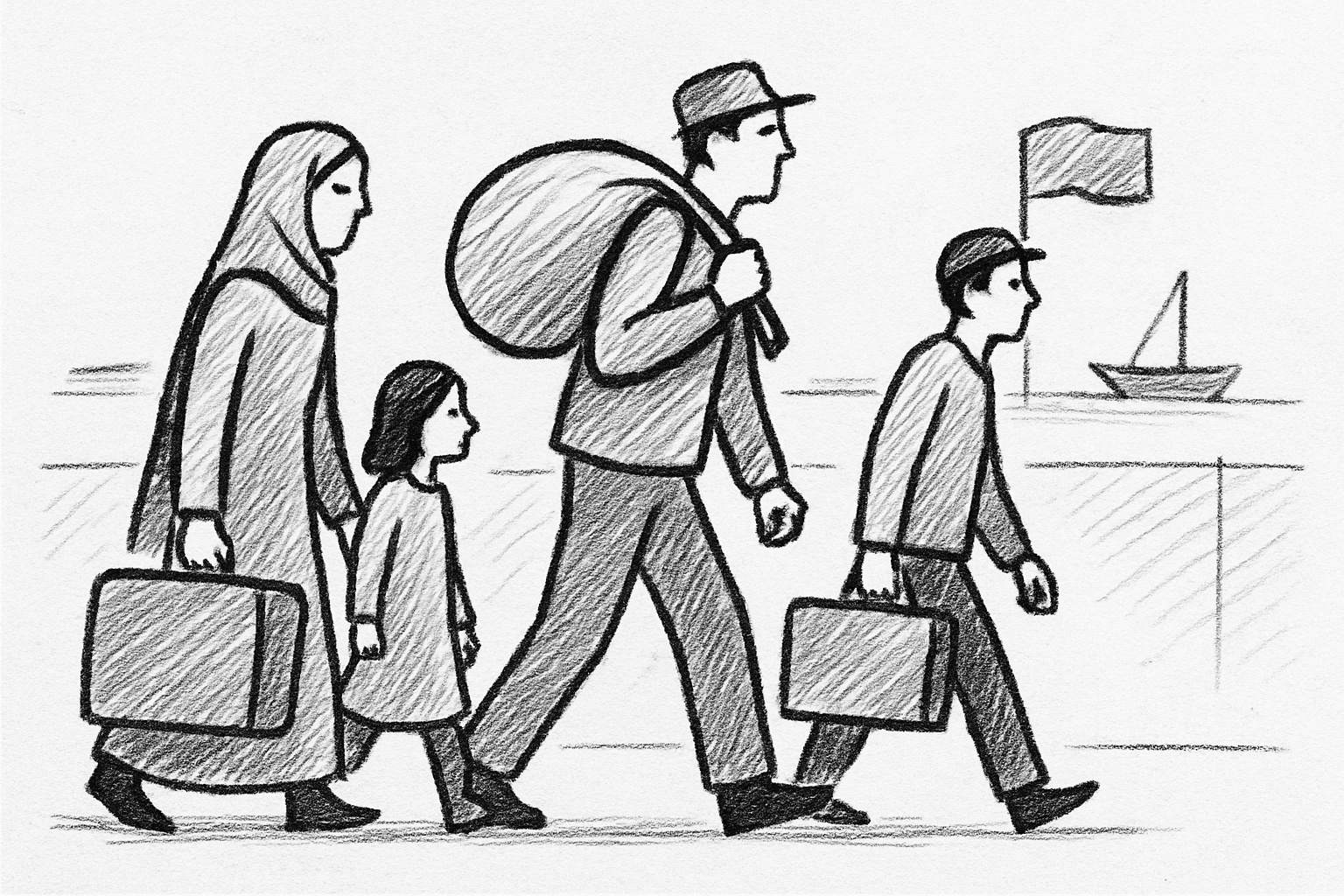 This year, National Migration Week takes place September 22-28 and culminates with the World Day of Migrants and Refugees (WDMR). Although WDMR typically occurs on the last Sunday of September, this year it will take place on October 4-5 to coincide with the Jubilee of Migrants. The primary theme for this year’s WDMR is “Migrants, missionaries of hope,” which “highlights the courage and tenacity of migrants and refugees, who bear witness daily to hope for the future despite difficulties.”
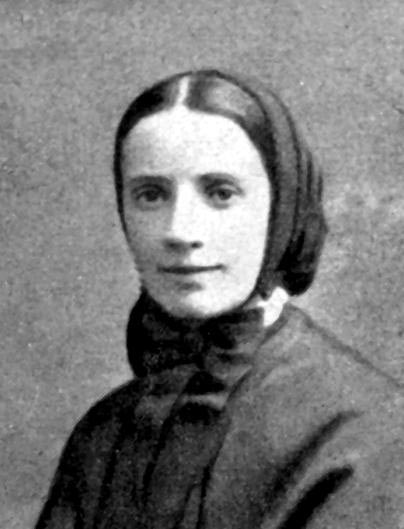 tances facing migrants and refugees, including those in my community, with an open heart and mind.