
Ash Wednesday, this year is on February 18th, which marks the beginning of the sacred season of Lent in the Catholic Church, a forty-day period of prayer, fasting, and almsgiving that prepares the faithful for the celebration of Easter. It is a solemn and reflective day that invites Catholics to turn their hearts back to God through repentance and renewal.
On Ash Wednesday, Catholics receive ashes on their foreheads in the shape of a cross. The priest or minister says either, “Remember that you are dust, and to dust you shall return,” or “Repent, and believe in the Gospel.” The ashes, made from the burned palm branches of the previous year’s Palm Sunday, symbolize human mortality, humility, and sorrow for sin. They are an outward sign of an inward desire for conversion.
 From a Catholic perspective, Ash Wednesday signifies several important spiritual realities:
• Repentance: It is a call to examine one’s life, acknowledge sin, and seek God’s mercy through sincere contrition and the Sacrament of Reconciliation.
• Mortality: The ashes remind believers of the brevity of earthly life and the hope of eternal life in Christ.
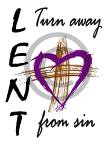
• Conversion: Lent is a journey of ongoing conversion — turning away from sin and turning toward God more fully.
• Spiritual Discipline: Catholics begin practices of fasting and abstinence on this day. Those who are eligible fast (one full meal and two smaller meals that do not equal a full meal) and abstain from meat as a sign of sacrifice and solidarity with Christ’s suffering.
Ash Wednesday is not a Holy Day of Obligation, yet it is one of the most widely attended liturgies of the year because of its powerful symbolism. It sets a tone of quiet reflection and hope. Though penitential, it is ultimately a day rooted in grace — a reminder that God’s mercy is always available and that the journey toward Easter begins with humility and trust in His love.