NELSON Mandela says a nation’s character is judged by the way it treats its children and judging by the state of children in the Kingdom of Swaziland we surely have a lot to answer to before God because of the way we treat our younger generation.
Official government statistics reveal that in a population of just over a million, there are 130, 000 Orphaned and Vulnerable Children (OVC) in Swaziland. The circumstances under which many of these children grow up reveal mind-numbing tales of miraculous survival in a society infested with sadistic violence and abuse, poverty and bleak future prospects. How far have we gone as a country to ensure that all our children are raised under the best circumstances, which involve long-term commitment, intensive work, competency and love. The question begs; what shall we tell God?
Strengthening
However, in all the gloom and doom there is a glimmer of hope presented by a handful of ordinary people doing extra ordinary things. One such group is Cabrini Ministries at St Philip’s Mission nestled in the heat and drought battered Lubombo region of the Kingdom. This Catholic faith based organisation is a not-for-profit concern which focuses on restoring life through strengthening family structures and providing care in the community, was opened in Swaziland in 1971.
Its services have changed with the times and needs of a changing society and presently it seeks to respond to the needs generated by the HIV-TB pandemic in the Ngcamphalala, Mamba and Gamedze chiefdoms.
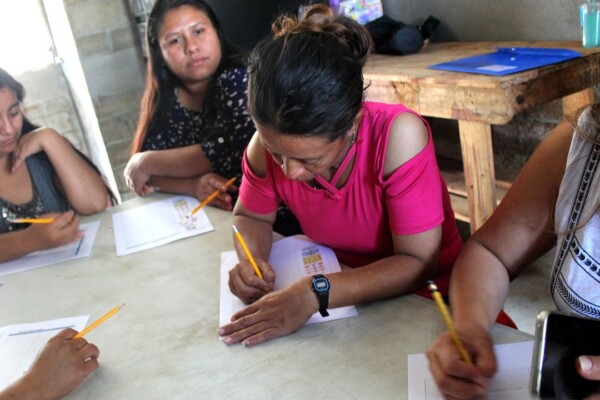
The Sisters and local support staff at Cabrini Ministries have over the years focused on HIV, AIDS and TB serving the three chiefdoms surrounding the mission, whose poverty stricken population is estimated at just over 25,000. Cabrini cares full time for more than 120 orphans, many of them living and coping with HIV and provides other levels of care to another 300 children in the area.
Cabrini also provides a full continuum of care to more than 2000 people living with HIV in the area. In these communities subsistence farming has all but stopped due to a drought situation that is nearing its second decade. As a result, food insecurity and malnutrition have found a home here. The situation is worsened by limited access to clean water. What used to be swelling rivers in this hitherto thriving cotton growing area, now resemble dusty gravel roads with clear marks of cattle tracks. Lack of proper hygiene and general poor sanitation complete the picture of near hopelessness.
HIV and AIDS, TB and other opportunistic infections add to the burden of the next to nothing resources of these communities. This has also led to a high infant mortality rate. The situation is made worse by the fact that, some 80% of those in the productive age bracket in these communities are unemployed, further driving the collective into the merciless jaws of poverty and deprivation.
Cabrini Ministries offers a shelter and provides for the basic needs of the community, particularly, children infected or affected by HIV, AIDS and poverty.
For instance, on a daily basis, patients are transported to the nearby Good Shepherd Hospital, HIV testing is carried out in a conducive and professional environment, people are assisted with treatment of opportunistic infections and deserving cases are at times assisted with costs to bury loved ones.
All these services provided for free and what a world of difference this makes to the people who are faced with poverty. And the organisation relies on funds from private individual donors, foundations and some corporate entities.
Uncommon
It is not uncommon to hear a woman or man in the community saying were it not for Cabrini Ministries, my child would have surely died. ‘Many of the children who found shelter and refuge at Cabrini’s OVC care would now be dead if they had not been rescued through the help of Cabrini Ministries,’ says Josephine Magagula, a member of the community.
Abuse
She adds that many more would have been constant vessels of abuse and exploitation, but were saved and smothered with love, compassion and proper grooming by the organisation.
She explained that Cabrini’s strength lay in its respect for the people’s way of life, the community leadership and for what she called co-parenting.
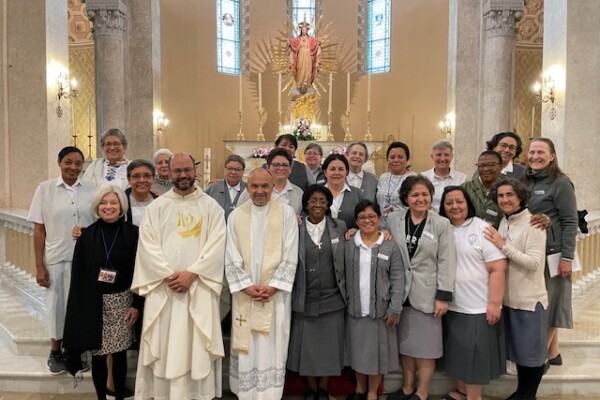
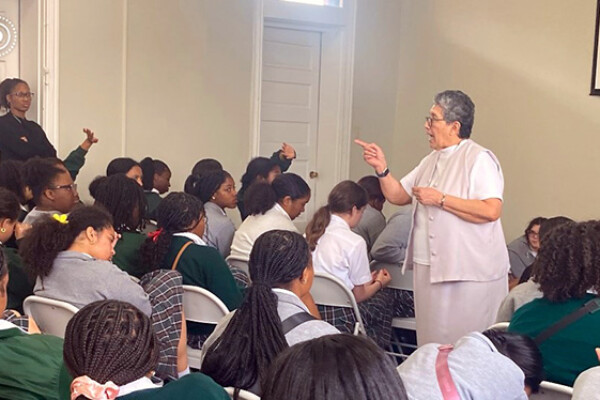
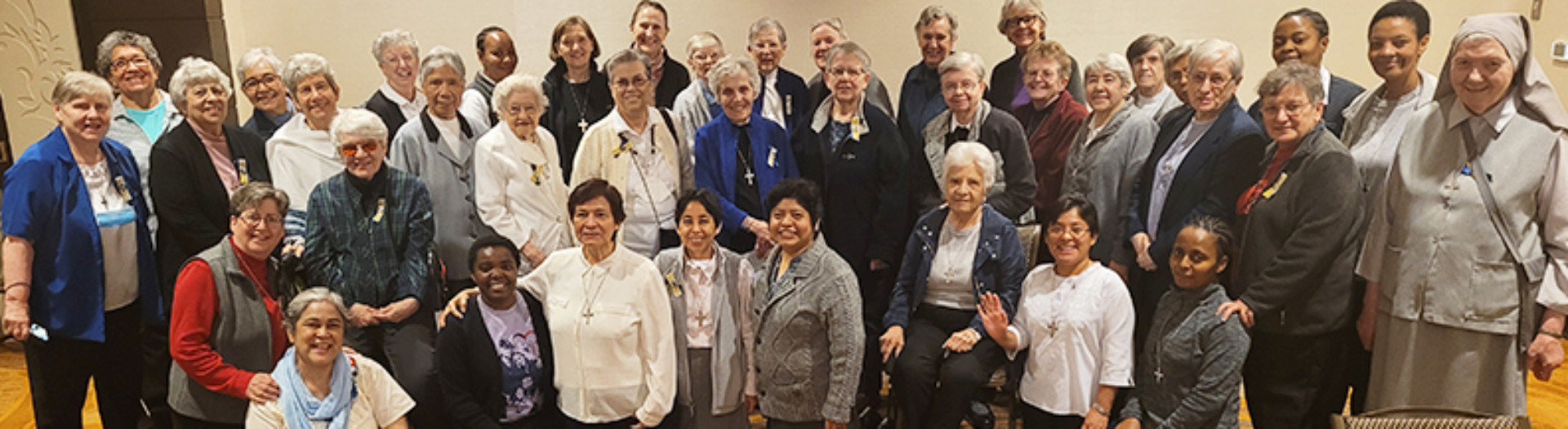
The organisation also hires locals as support staff and of the 45 staff contingent at Cabrini Ministries at St Philip’s only two are expatriates in Sister Diane DalleMolle and Sister Barbara Staley. This is good because the children’s history and circumstances are known to the locals, making it easy to identify and implement the most effective interventions of care and support. The children also do not feel threatened or out of place when they see familiar faces.
This establishes and strengthens family roots and land rights in chiefdoms, to ensure a ‘normal’ social context and to provide relationships for the child that will endure for many, many years. This does not take away the identity, societal and cultural norms from the child and it grows up knowing the Swazi way of life.
Hope
Such is the sense of hope that Cabrini Ministries has injected to the community under its unmistakable creed – a passion to help people live and raise their children.
‘Our guiding principle and objective is to bring God’s love to the sick by helping restore life...so that children can be raised by their parents,’ says Siboniseleni Pius Mamba.
He adds that all services are provided as a voluntary agreement between the organisation and the child’s guardian or caretaker. Mamba said normally, the family seeks the assistance of Cabrini and cooperates in determining decisions, discipline, care and the overall objectives of the child.
“‘Children are not ‘placed’ at Cabrini. The children’s family ties are strengthened through the social services provided to the children. These include surnames being corrected, family histories being gathered, land rights protected, housing arranged and uniting the child with parents who abandoned him or her,” said Mamba.
Clearly, the Cabrini Ministries of St Philip’s Mission’s presence in the country over the last four decades has made it the trusted and effective partner in responding to the orphan crisis in the Kingdom of Swaziland in general and the three communities in particular.
So if we all lend a hand and contribute towards the organisation’s coffers, we might just have an answer to the mind blowing question: ‘what shall we tell God?’
We can stand up and be counted among those who responded to the call for action through Cabrini Ministries St Philip’s Mission to ensure that children who had no hope now have a dream for the future.