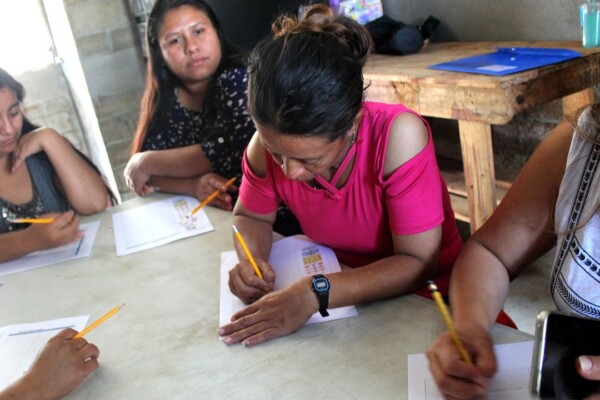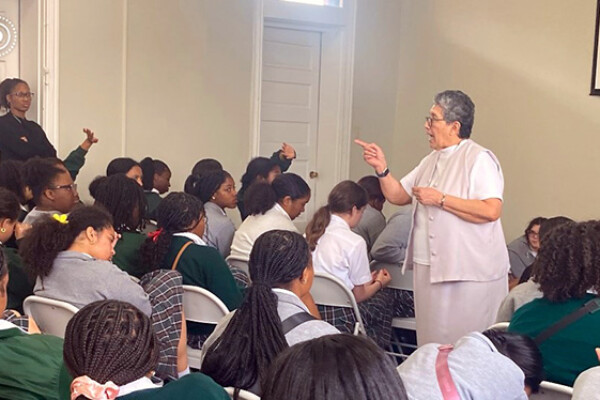
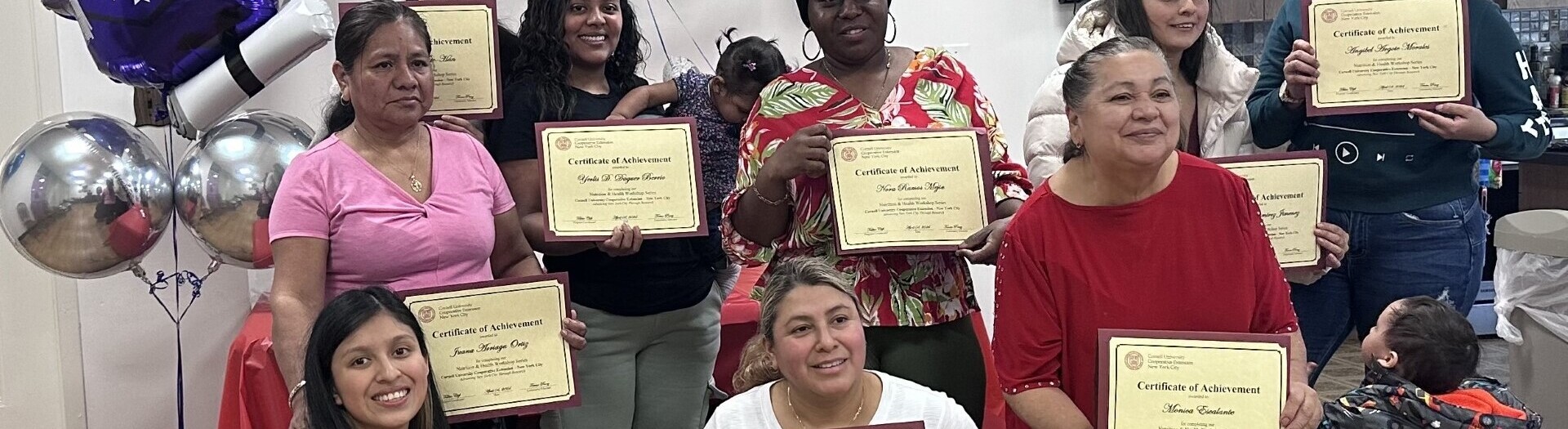
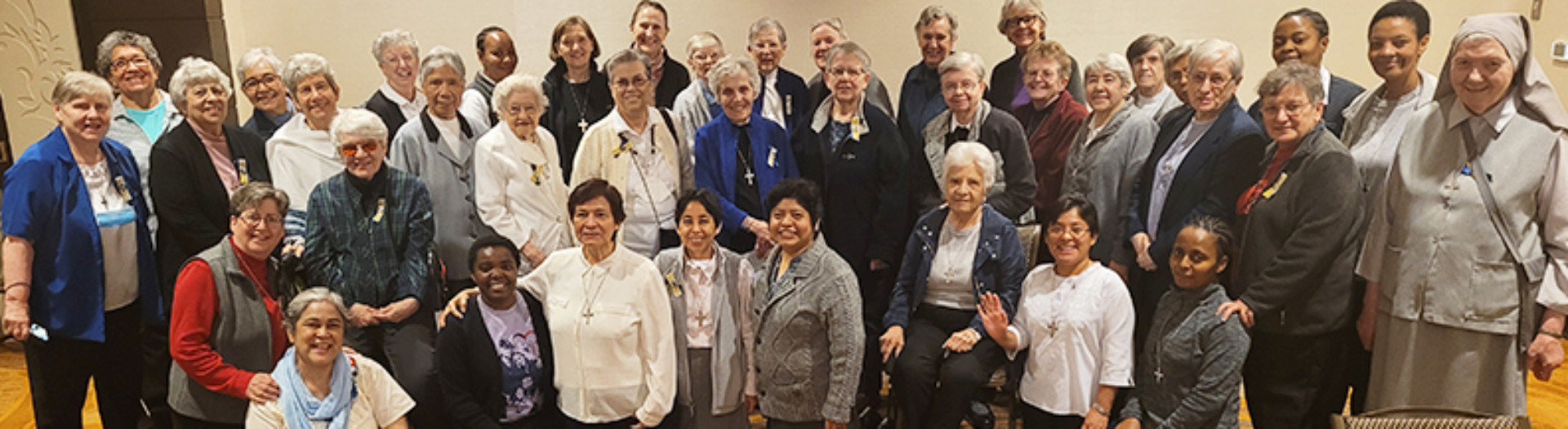
CABRINI Ministries of St Philip’s Mission has come up with a revolutionary approach to OVC (orphans and vulnerable children) care and upbringing, known as family centred co-parenting where the community is fully involved in the quest to develop children into happy, healthy adults.
Family centred co-parenting has proved effective in making the children’s families or caretakers to be less burdened and as such more able to ‘love’ the child and not resent the extra stressors caused by caring for orphans.
Whilst some of the children are housed at the institution’s educational boarding hostel, they do get breaks to be with their guardians and caretakers and they participate in all important family events such as weddings.
Voice Imiphakatsi (chiefdoms) are effective at providing a ‘moral’ voice regarding issues of the children, but adults must present those needs to the traditional leaders. The children cannot represent themselves and concerned neighbours with no organisational support are too overstretched to take it on by themselves.
‘This is an ideal partnership between the families communities and care providers. The latter have the will, the heart and the skill to raise children. Unlike the Imiphakatsi they have the expertise in care of traumatised and orphaned children,’ explained Gugu Dlamini, a psychology student with a leading institution in South Africa.
The not-for-profit HIV, AIDS and TB organisation serving the Ngcamphalala, Gamedze and Mamba chiefdoms in the Lubombo region cares full time for more than 120 orphans and provides other levels of care to another 300 children in the area. It also provides services to over 2000 people in the communities whose collective population is estimated at 25 000. Care workers and staff come from the same chiefdoms as the children in order to strengthen family roots and land rights in the chiefdom, to ensure a ‘normal’ social context and to provide relationships for the child that will endure for many, many years.
The co-parenting is part of the organisation’s standing provision that services are provided on a voluntary agreement between the organisation and child’s guardian or caretaker. ‘At least one case management conference per year per child is attended by the child’s guardian and members of an interdisciplinary team including representatives from the school and Cabrini health care outreach personnel to determine Individualised Programme and Education Plans,’ says Mavis Steenkamp, the Afterschool Education Coordinator. She added that three meetings per year are held with members from all families consisting of information sharing, skills training of guardians, questions and answers, recognition of individual children’s achievements, traditional dancing and other entertainment provided by the children ending with a braai. System ‘The system ensures that professional standards are met with non-professional community workers, by providing good supervision, knowing the community and availing personnel to attend any child development courses,’ Steenkamp said.
HOW THIS WORKS *Assessments are done to determine the level of need of each individual *Referrals come from Rural Health Motivators *Referrals from Cabrini Ministries Health Care Outreach *’Triage’ referrals
• E.g. 69 families with approximately 200 children referred in August 2008.
• A team of Cabrini Employees representing all communities in the catchment area select out those known as ‘no desperate’.
• 36 families representing 130 children referred from Cabrini ‘Triage’ team for next level of assessment.
• 3 Teams of three employees visit 36 families using assessment tool to aid objectivity.
• Level of care determined, 13 children chosen to benefit from Cabrini’s Educational Boarding Hostel as of January 2009.
• 117 children referred for other services on homesteads