

Young orphaned girls are used in sex trade at shebeens near St. Phillip’s that have mushroomed as a result of the growing sugar plantations in the area. There are as much as three shebeens in a two kilometre radius. The popular watering holes are Lohhusha, Lugodvo and Lomini, to name but a few.
Cabrini Ministries of the Catholic Church has since taken in some of the girls that were sold by relatives either into commercial sex or forced marriage.
Sister Barbara Staley, MSC, of the same Ministries says it is time Swaziland took internal human trafficking seriously. A teenage girl was taken by her ‘big mother’ (her mother’s elder sister) to stay with her shortly after the younger sister died. However, because the elder woman was so impoverished and drenched in alcohol, she did not have means of her own to survive and then took the girl to Matata shopping centre to give her over to a man.
Sister Barbara managed to save her in time after she learned that the girl was to live with her ‘bigger mother’. A female resident, a neighbour to a shebeen, says most of the poor in the area have remained so since the drought of the mid-nineties and never recovered. As a result they have given up in almost anything.
Another girl, 13, was impregnated by a 25-year-old man and immediately this surfaced, the relatives of the girl quickly arranged for a traditional wedding, kuteka. Again, the Cabrini sisters intervened and discouraged this move. The girl was assisted to do Grade 7 and is now in Form 3.
Shebeen
“About 50% or 60% of the children here come from a shebeen home. There are, say, three shebeens every two kilometres,” says Pius Mamba, Director of Operations at Cabrini Child Care and also responsible for sponsoring children living with families by paying their fees. The shebeens play the latest kwaito, gospel and R’nB tunes and the young girls flock to such places to mingle with the drinking community of labourers. Another girl recently lost her mother and was ‘adopted’ by a shebeen queen relative who immediately found a source of labour and subsequently income. “The girl was down with asthma. We took her in and she is in Grade V,” says Mavis Steenkamp who is a tutor in the psychosocial and education section.
“When the workers in the plantations and irrigation establishments return to the compounds after the working day they relax over alcohol. Most of the girl orphans linger around these drinking homes and the men get hold of them. So many girls have fallen pregnant here,” adds Mavis. Another girl who fell pregnant while staying with a relative but under the care of the Sisters is back at school and doing well. “Our problem is that once the girl falls pregnant the previous school rejects her and we have to find a new one for her,” explains Mamba. Already the girls are in 16 schools in the same area.
Crucial
“The most crucial element in the success of the children in getting their lives together is supervision. It is not possible for an elderly woman who is also alcoholic to cope with the stubbornness of a teenage girl, especially a 16-year-old. You need a committed someone like our staff at the Ministries. Once the girl returns to the relatives they revert to their bad ways, become vulnerable to alcohol and fall pregnant,” Sister Barbara said, making an example of the average worker in the area who reports to a shebeen from as early as 8am at weekends. She says that person would be seeing all the women who have also come for the alcohol ugly but by noon all those women will be looking very attractive.
“And that person has a greater resistance in using condoms. It is the subculture with a heavy impact on HIV and AIDS that is worrying us.”
Three girls fell pregnant after attending night vigils in the same area, says Sister Barbara looking after orphans in the area. They say this is because about 70% of the church services in the area are conducted by children, who lack the maturity to instill discipline and proper values.
These children end up being looked after by the Cabrini sisters.
The girls, who later become single mothers at an early age, need help themselves to continue with their education.
It has been established that the emergence of many churches attracting followers from the youth is responsible for the unplanned pregnancies as the young pastors take the lead and give themselves very high titles such as apostle or bishop, thus easily getting hold of the orphaned girl child, who is ready to accept whatever the so-called church leader says.
“They all need adult supervision. I still say the neighbourhood care point (NCP) may not be an adequate intervention to the protection of the orphaned child because it lacks the basic supervision only possible through the presence of adults,” says Sister Barbara. The NCP programme or bantfwana bendlunkhulu is considered ineffective in that it is only a feeding scheme that also administers distribution of clothing, but falls completely short of addressing the emotional and other physical needs of the orphans, it has been said.
Some traditional structures have also not been helpful in the effort to attend to problems of girls who have become sex slaves in the area. Once they fall pregnant, the traditional leaders usually recommend a traditional wedding.
Traditionally, children whose parents died in Swaziland, were cared for by their extended family. Today, due to the rising number of those dying of AIDS, the extended families do not always have the resources to adequately support these children. Consequently they are often neglected or left to fend for themselves in the bush. Some regions estimate that one in seven children has been orphaned in Swaziland, and this number continues to grow.
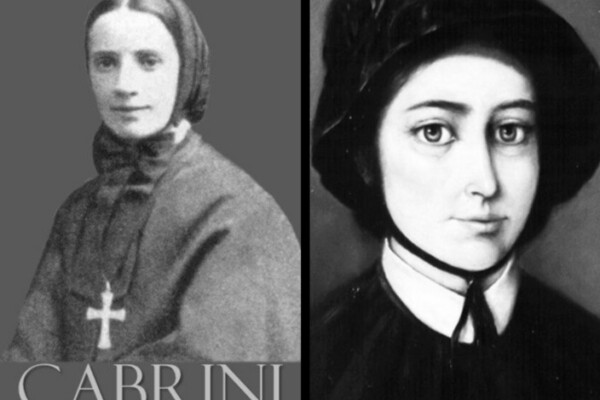
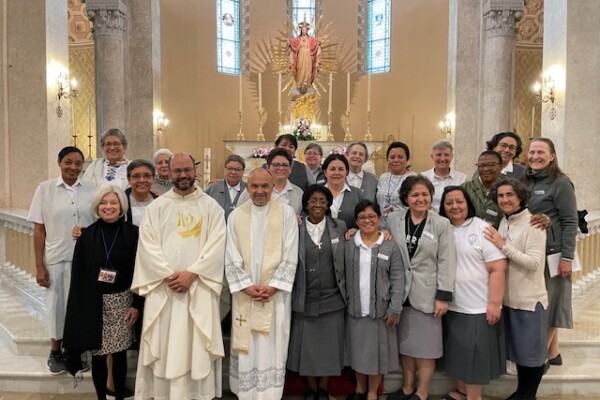
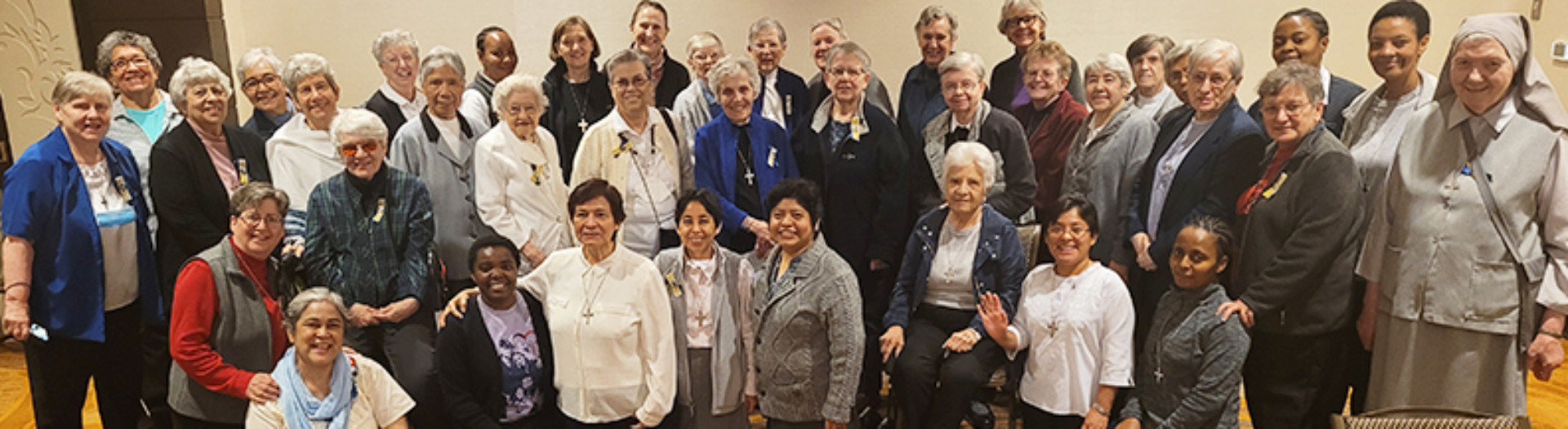
The Missionary Sisters of the Sacred Heart of Jesus (MSC), better known in Swaziland as the Cabrini Sisters, have been serving the Swazi people since 1971, and, today, are helping them cope with the HIV and AIDS pandemic.
Influx of Mozambique cheap labour a concern
The sugarcane plantations projects have brought employment opportunities in the area, but they have also attracted many foreigners, especially poor and unskilled Mozambicans who do not bother about wages or living conditions.
These are housed in very small quarters that are also converted into shebeens come weekends or after working hours. These are also the compounds frequented by young girls in the area, especially on pay day. It is in these areas that alcoholic parents of the children also bring their girls in exchange for money for a meal and more drinks.
Residents, who also compete for the same opportunities, detest the arrangement because of the foreigners who are ready to take anything on offer.
Pius Mamba of Cabrini says some of these Mozambicans come from other sugarcane plantations such as Simunye, Mhlume and Tambankulu, where they also had spouses they left behind with children. His research in the movement of this type of labour has forced him to conclude that unless there are concrete interventions in the problem of internal human trafficking and irresponsible childbearing, orphan numbers will continue to rise.
“All they need is a place to cover the head and a meal. They are ready to part with the money to the young girls.”
Cabrini cares for OVC
One of the two main works at Cabrini Ministries Swaziland is care of orphans and vulnerable children.
The child care programme was established in 2002 to respond to the HIV and AIDS and TB pandemics by caring for OVC and helping their extended families.One of the most apparent effects of the swift spread of HIV in the community was the growing number of children rendered parentless. Children were taken in by relatives, neighbours, or in some cases, were forced to fend for themselves.
In 2002, a boarding hostel was established in the mission in response to the local orphan crisis.
The hostel was to provide food, shelter and supervision for many of the children, who had lost both parents (often termed double orphans) and were living by themselves at a child-headed homestead or some other equally dangerous living situation.
Fifty children were originally admitted, with the number nearly doubling by the end of the first week.
Many of those inaugural children still reside at the hostel during the school year, with new intakes coming every January. Currently, there are about 120 orphans living at the hostel, many as groups of siblings as the ministry tries to keep families together.
The child care services provided by Cabrini Ministries extend beyond a roof above the heads of 120 orphans; the hostel has become a home where local women provide these children with loving care, medical services, balanced nutrition, school enrollment as well as educational enrichment activities, and assistance in strengthening and maintaining positive relationships with that family they have. In several instances, Cabrini Ministries has helped children find family they did not know existed.